Beyond Angkor Wat : Why Phnom Penh Deserves a Place on Your Itinerary
For many international travelers, Cambodia begins with one unforgettable image: the ancient towers of Angkor Wat glowing beneath the morning sun.
Angkor is unquestionably one of Southeast Asia’s greatest cultural treasures. However, Cambodia is not a country that can be understood through its ancient temples alone. To experience its living culture, modern energy, royal heritage and remarkable resilience, your journey should also include Phnom Penh.
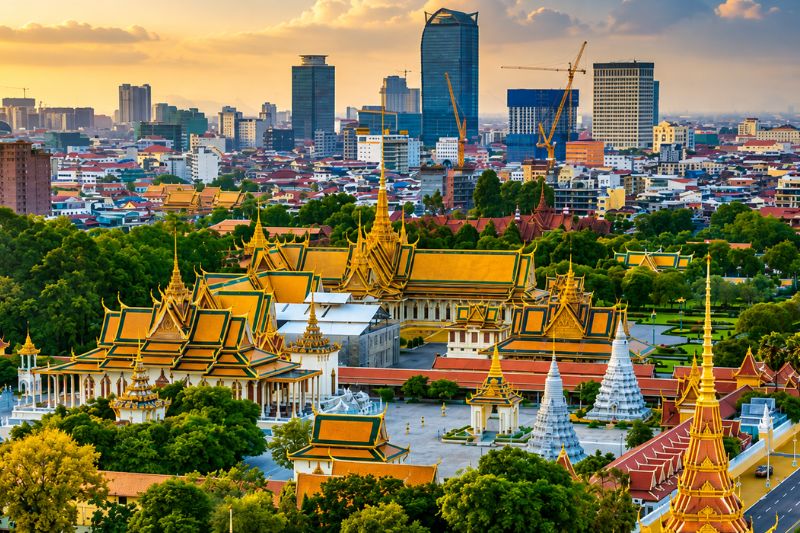
Located along Cambodia’s great waterways, Phnom Penh is a capital filled with contrasts. Golden palace roofs rise near modern buildings, traditional markets operate beside fashionable cafés, and quiet temples offer moments of peace within the movement of the city.
The Royal Palace, National Museum of Cambodia, Wat Phnom, Central Market and Phnom Penh riverfront are among the capital’s most recognizable visitor experiences. Evening cruises along the Tonle Sap and Mekong rivers have also become a popular way to appreciate the city from the water.
Phnom Penh is not simply a stop between Siem Reap and Cambodia’s southern beaches. It is a destination with its own personality—and one that deserves at least two or three days on your Cambodia itinerary.
Phnom Penh Shows You the Cambodia of Today
Angkor Wat introduces visitors to the greatness of the ancient Khmer Empire. Phnom Penh, meanwhile, shows how Cambodia’s history, traditions and contemporary life continue to evolve.
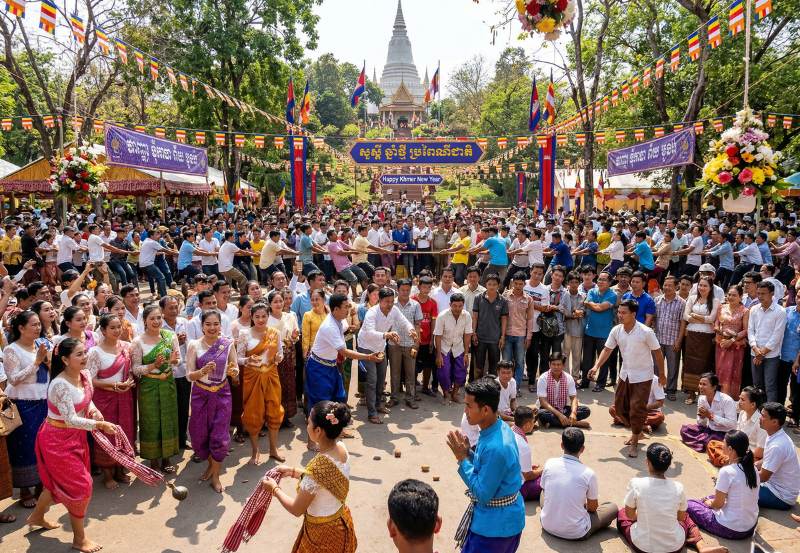
The city is energetic without losing its cultural identity. Monks in saffron-colored robes walk past busy cafés. Families gather beside the river in the evening. Market vendors prepare local dishes while office workers move through the city’s commercial districts.
This combination gives Phnom Penh a special quality: it feels historically important, but also unmistakably alive.
Rather than observing Cambodia only through monuments, visitors can experience the country through its people, food, neighborhoods, religious traditions and everyday rhythm.
Discover Cambodia’s Royal Heritage
A first visit to Phnom Penh should include the Royal Palace and Silver Pagoda, two of the capital’s most impressive cultural landmarks.
The Royal Palace complex is known for its traditional Khmer architecture, golden details, landscaped grounds and ceremonial buildings. Within the complex, the Silver Pagoda holds an important place in Cambodia’s religious and royal heritage.
Walking through the palace grounds offers a very different experience from exploring Angkor’s ancient ruins. Here, Cambodia’s royal traditions are not simply part of the distant past—they remain connected to the country’s national identity.
Allow approximately one to two hours to appreciate the architecture and atmosphere. Morning visits are often more comfortable, particularly during Cambodia’s warmer months.
Visitors should wear respectful clothing that covers the shoulders and knees. More formal dress is requested when entering important areas such as the Silver Pagoda.
Understand Khmer Art at the National Museum
A short distance from the Royal Palace stands the National Museum of Cambodia, one of the best places to deepen your understanding of Khmer civilization.
The museum preserves and interprets Cambodian art and archaeological collections. Its galleries introduce visitors to Khmer sculptures, ceramics, religious works and artistic traditions from different historical periods. The museum is located on Street 13, next to the Royal Palace area in central Phnom Penh.
Visiting the museum before traveling to Siem Reap can make the temples of Angkor more meaningful. You begin to recognize the religious figures, artistic styles and cultural ideas represented throughout the ancient monuments.
Those arriving in Phnom Penh after visiting Angkor will gain something different: an opportunity to place what they have already seen into a broader Cambodian story.
The museum is therefore not just another attraction. It is a cultural bridge between ancient Cambodia and the country visitors experience today.
Visit the Hill Where Phnom Penh’s Story Began
Phnom Penh takes its name from Wat Phnom, a sacred temple standing on a small, tree-covered hill.
According to the city’s traditional story, the site is associated with Lady Penh, who discovered sacred objects and established a shrine on the hill. Over time, the surrounding settlement became known as Phnom Penh—“the hill of Penh.”
Today, Wat Phnom remains an important religious and historical landmark. Its elevated setting, shaded grounds and spiritual atmosphere provide a peaceful pause from the busy streets below.
Visitors should move quietly around worshippers, dress modestly and avoid disturbing religious ceremonies. Exploring respectfully allows you to experience the temple as a living place of faith rather than only a tourist attraction.
Explore Phnom Penh Through Its Markets
One of the best ways to understand Phnom Penh is through its markets.
Central Market
The distinctive art-deco dome of Central Market, locally known as Phsar Thmei, makes it one of the city’s most recognizable structures. Inside, visitors can explore sections selling clothing, jewelry, local products, souvenirs, fresh produce and Cambodian snacks.
Even without planning to shop, the market is worth visiting for its architecture, movement and atmosphere.
Russian Market
The Russian Market, or Phsar Tuol Tom Poung, offers another lively local experience. Its narrow aisles contain Cambodian textiles, handicrafts, artwork, clothing, souvenirs and food stalls.
Shopping in Phnom Penh is not limited to purchasing gifts. It provides an opportunity to interact with local sellers, observe daily commerce and discover products shaped by Cambodian craftsmanship.
Bargaining is common in traditional markets, but it should always remain friendly and respectful.
Taste the Flavors of Cambodia
Phnom Penh has become one of Cambodia’s most exciting dining destinations.
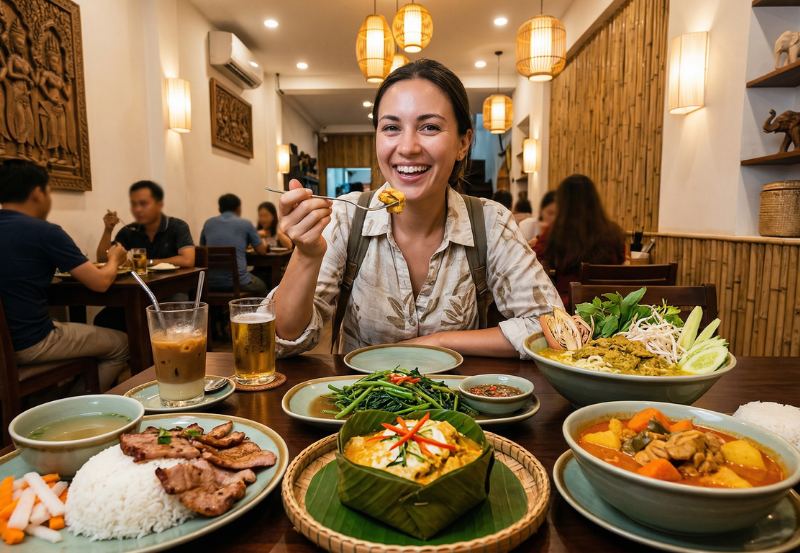
Visitors can enjoy traditional Khmer recipes, casual street food, family-run restaurants, contemporary Cambodian dining and a growing international food scene. A single day might begin with rice and grilled meat at a local breakfast stall, continue with Khmer noodles at lunchtime and end with a refined interpretation of Cambodian cuisine.
Popular dishes to look for include:
- Fish Amok [ហហ្មុកត្រី] : fish prepared with coconut milk, herbs and Khmer spices
- Nom Banh Chok [នំបញ្ចុក]: Khmer noodles commonly served with a fragrant fish-based sauce
- Beef Lok Lak [ឡុក ឡាក់ សាច់គោ]: seasoned beef usually accompanied by vegetables and dipping sauce
- Bai Sach Chrouk [បាយសាច់ជ្រូកអាំង]: grilled pork served with rice, often eaten for breakfast
- Fresh Tropical Fruit [ផ្លែឈើស្រស់]: including mango, dragon fruit, pineapple and rambutan
Food is one of the easiest and most enjoyable ways to connect with Cambodian culture. Do not hesitate to ask restaurant staff for recommendations, especially when trying Khmer cuisine for the first time.
Experience the Riverside at Sunset
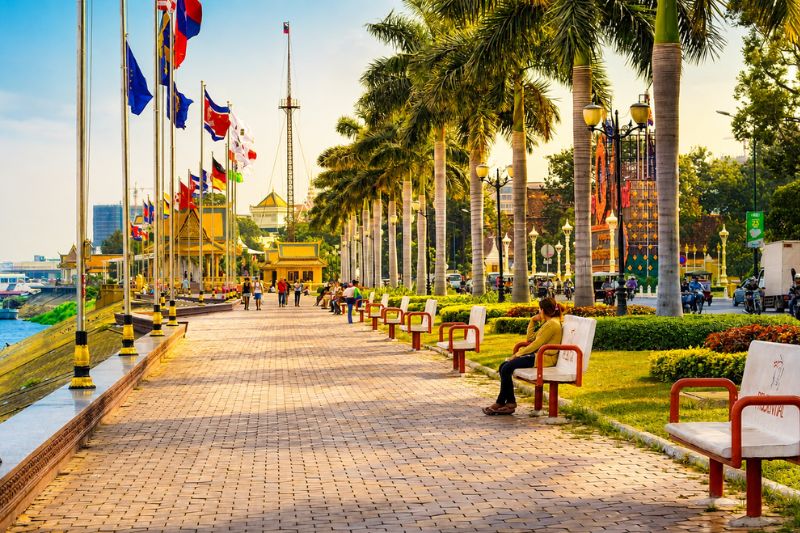
Phnom Penh’s riverfront changes character throughout the day.
In the morning, local residents exercise and enjoy the cooler air. During the afternoon, cafés and shops welcome visitors exploring the riverside area. As sunset approaches, the promenade becomes livelier as families, friends and travelers gather beside the water.
A sunset or evening cruise offers another perspective. Boats travel along sections of the Tonle Sap and Mekong rivers, presenting views of Phnom Penh’s temples, riverfront buildings and changing skyline. Cambodia’s Ministry of Tourism identifies sunset and evening river cruises as popular visitor activities in the capital.
After a full day of sightseeing, watching the sky change above the river is one of Phnom Penh’s most relaxing experiences.
Learn About Cambodia’s History with Respect
Phnom Penh also contains important places of remembrance, including the Tuol Sleng Genocide Museum and the Choeung Ek Genocidal Center.
These sites preserve the memory of people affected by the Khmer Rouge period and help visitors understand a painful chapter of Cambodian history. Visits should be approached quietly, respectfully and with sufficient time to reflect.
Cambodia should never be defined only by tragedy. However, understanding this period helps visitors appreciate the strength, dignity and resilience visible throughout the country today.
Travelers may find these visits emotionally difficult. It can be helpful to avoid scheduling several heavy historical experiences in one day and to balance them with time at a peaceful cultural site, café, garden or riverside location.
Where to Stay in Phnom Penh
Choosing the right accommodation can shape your experience of the city.
After walking through markets, museums and palace grounds, travelers need somewhere comfortable to rest, recharge and plan the next day. A good Phnom Penh hotel should offer more than a bed—it should provide convenience, helpful facilities and an atmosphere where guests can relax away from the city’s activity.
Stay at Le Kree Downtown Hotel
Located in the urban district of Khan Sen Sok, Le Kree Downtown Hotel offers accommodation for both leisure and business travelers visiting Phnom Penh.
The hotel’s room selection includes Superior Double, Deluxe Double, Deluxe Twin, Premier Deluxe Double and two-bedroom connecting accommodation for families. Rooms are designed as comfortable retreats, with options offering city or pool views.
This variety makes Le Kree suitable for:
- Solo travelers and couples exploring Phnom Penh
- Families requiring connecting bedrooms
- Friends traveling together
- Business guests visiting the capital
- Travelers staying for several nights
After a day of sightseeing, guests can relax at the hotel’s outdoor swimming pool, maintain their routine in the fitness center or enjoy restorative time at the spa. The property also features a Sky Bar and an on-site restaurant.
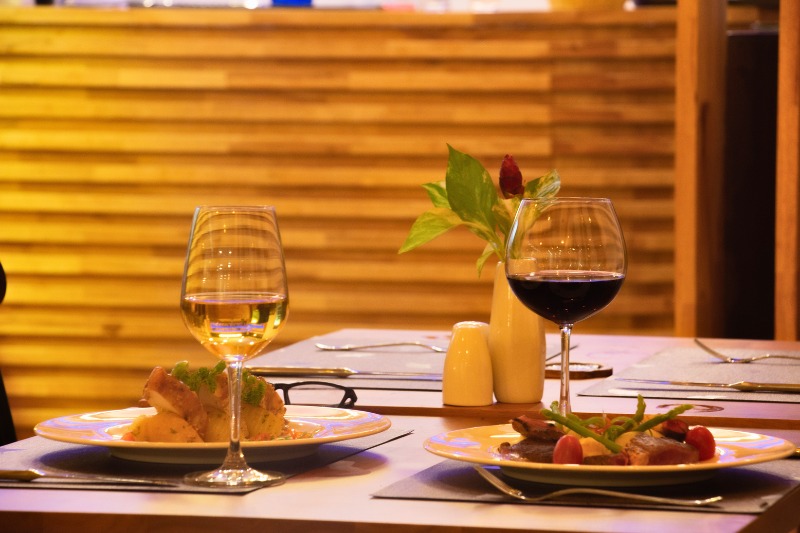
At La Véranda Restaurant & Café, guests can choose from local and international dishes in a relaxed setting with indoor and outdoor seating. It is a convenient option for breakfast before exploring the city, a business lunch or a comfortable evening meal after returning to the hotel.
Le Kree Downtown Hotel offers a practical balance: access to Phnom Penh’s urban experiences combined with a calmer environment for resting at the end of the day.
Practical Tips for Visiting Phnom Penh
Allow enough time. Two full days will introduce you to the main attractions, but three days provide a more relaxed and rewarding experience.
Start sightseeing early. Morning temperatures are generally more comfortable for temples, palace grounds and outdoor markets.
Dress respectfully. Clothing covering the shoulders and knees is recommended for royal and religious sites.
Use trusted transportation. Hotel-arranged cars, registered taxis and established ride-booking services can make traveling around the capital easier.
Carry drinking water. Phnom Penh can be warm and humid, particularly during midday.
Travel thoughtfully. Ask before photographing people, follow site rules and speak respectfully at religious and memorial locations.
Why Phnom Penh Belongs on Your Cambodia Itinerary
Angkor Wat reveals Cambodia’s ancient greatness. Phnom Penh reveals the country’s living heart.
It is a city where royal traditions, Khmer art, busy markets, contemporary restaurants, sacred temples and riverside life come together. It encourages travelers not only to look at Cambodia, but to listen, taste, explore and understand.
Adding Phnom Penh to your Cambodia itinerary gives your journey greater depth. You leave with more than photographs of famous monuments—you gain a stronger connection to the culture and people who make Cambodia unforgettable.
Make Phnom Penh more than a brief stopover. Stay long enough to discover its stories, enjoy its flavors and watch the sunset over the river.
For a comfortable base during your visit, reserve your stay directly through the Le Kree Downtown Hotel official website and begin exploring Cambodia’s captivating capital.